

WordCamp Central

About

As the popularity of WordPress increases, more and more WordCamps are cropping up all over the world. WordCamps come in all different flavors, based on the local communities that produce them, but in general, WordCamps include sessions on how to use WordPress more effectively, beginning plugin and theme development, advanced techniques, security, etc. To get an idea of the types of sessions typically seen at WordCamps, check out the WordCamp channel on WordPress TV.

But what makes something a WordCamp, as opposed to a BarCamp or an [insert-name-here]Camp? Glad you asked! Here are the guiding principles that define what makes a WordCamp:

It’s about everything WordPress.

The content of sessions is firmly focused on WordPress. There are issues around blogging, business, and social media that can be related to WordPress use, and it’s okay to include a few sessions about these things as long as the bulk of the program is about WordPress. In general, at least 80% of your WordCamp content should be WordPress-specific. If you mostly want to talk about Twitter and Facebook, try SocialMediaCamp; if you want to talk about any and all tech innovations, try BarCamp; you get the picture. WordCamp is for WordPress.

Open to all, easy to access, shared with community.

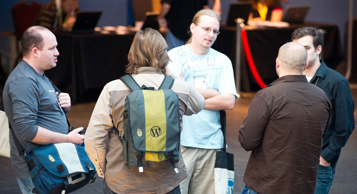
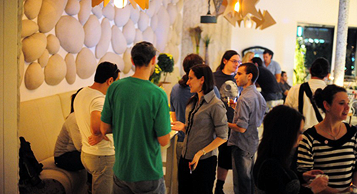
WordCamps are not meant to be big, fancy, expensive conferences. WordCamps are meant to be low-key local gatherings that are affordable — cheap, even — to allow people from all walks of life to attend, meet, share, and learn. Sponsorships and donations make this possible, keeping ticket prices low, usually below $40. WordPress users, developers, designers, and other enthusiasts should all feel welcome at a WordCamp, regardless of their experience level. Getting to meet other WordPress users is one of the main reasons people attend WordCamps. Presentations are shared with the broader WordPress community by posting video to the WordCamp channel on WordPress TV.

Locally organized and focused.

The WordCamp calendar on this site is coordinated by us, but each individual event is organized by local WordPress users, developers and fans. We provide guidance, but the elbow grease is theirs. The program should include local speakers/presenters whenever possible. While it’s fun to hear from WordPress lead developers and other prominent WordPress personalities, WordCamps are not meant to be a lecture circuit with the same speakers at every event. Showcasing local talent and helping local practitioners connect is one of the best things about WordCamp. The best WordCamps tend to have both local and visiting speakers. Ideally, every WordCamp would be the annual “big event” of a local WordPress meetup group. If no such group exists, a WordCamp can be a great way to kick it off (in which case more outside speakers may be needed to attract attendees).

Volunteers everywhere.

It is generally acknowledged that participating in WordCamps is one of the easiest and most fun ways to give something back to the WordPress community. Each WordCamp is operated by tireless volunteers, from the organizers who plan it all to the volunteers who work the event and the speakers who donate their time to teach you new things. It takes a lot of people to make a WordCamp happen, so remember to thank the volunteers who made it possible.

Standalone event.

The use of the WordCamp name indicates that it is an entire event dedicated to all things WordPress. WordPress “tracks” within larger events such as BarCamp or other conferences may not use the WordCamp name, as they are not standalone events, and it dilutes the brand of both events. At some point in the nearish future, we hope to enable the listing of these WordPress-focused related events on the main WordCamp site, but for now it is limited to WordCamps only. Local WordCamp organizers may of course post about such related events on their event sites as a service to their local communities if they wish.

Promotes the philosophies behind WordPress.

Any event carrying the WordCamp name must follow some basic philosophical guidelines. WordCamps do not discriminate, and anyone is welcome to attend. WordPress is licensed under the General Public License v2, and without the GPL WordPress would not exist. People or companies in violation of the WordPress license cannot be accepted as event organizers or sponsors, as that would provide promotion to entities acting in opposition to the philosophy behind WordPress. Speakers need to be compliant with the license for the same reason — the exception to this rule would be if the non-compliant person is speaking as part of a discussion about the issues around GPL compliance.

It’s not about the money.

Most WordCamps use up all their sponsor and ticket money in planning the event, but when there is a surplus, it is expected to be used to benefit the community, not treated as profit to be pocketed. Appropriate uses for surplus money include: using it to fund an ongoing meetup group’s get-togethers, setting it aside as seed money for next year’s WordCamp expenses (such as paying deposits before you’ve started selling tickets), or donating it to the WordPress Foundation. If you are interested in planning a WordPress-based conference as a money-making opportunity, you’ll need to call your event something else.

Sold? If there’s already a WordCamp scheduled for your area, go! If you don’t see anything near you on the list, don’t fret. There may be something in the works that just hasn’t confirmed the date yet. Follow us on Twitter to hear when new WordCamps are added to the list. If you’re interested in organizing a WordCamp in your area, use the contact form below to let us know. If there are other people in your area already working on it, we’ll put you in touch with them, and if not, we’ll help you get started.

Your Name

Your Email

Your Location (city, state, country)

Your Message

Code is Poetry.